
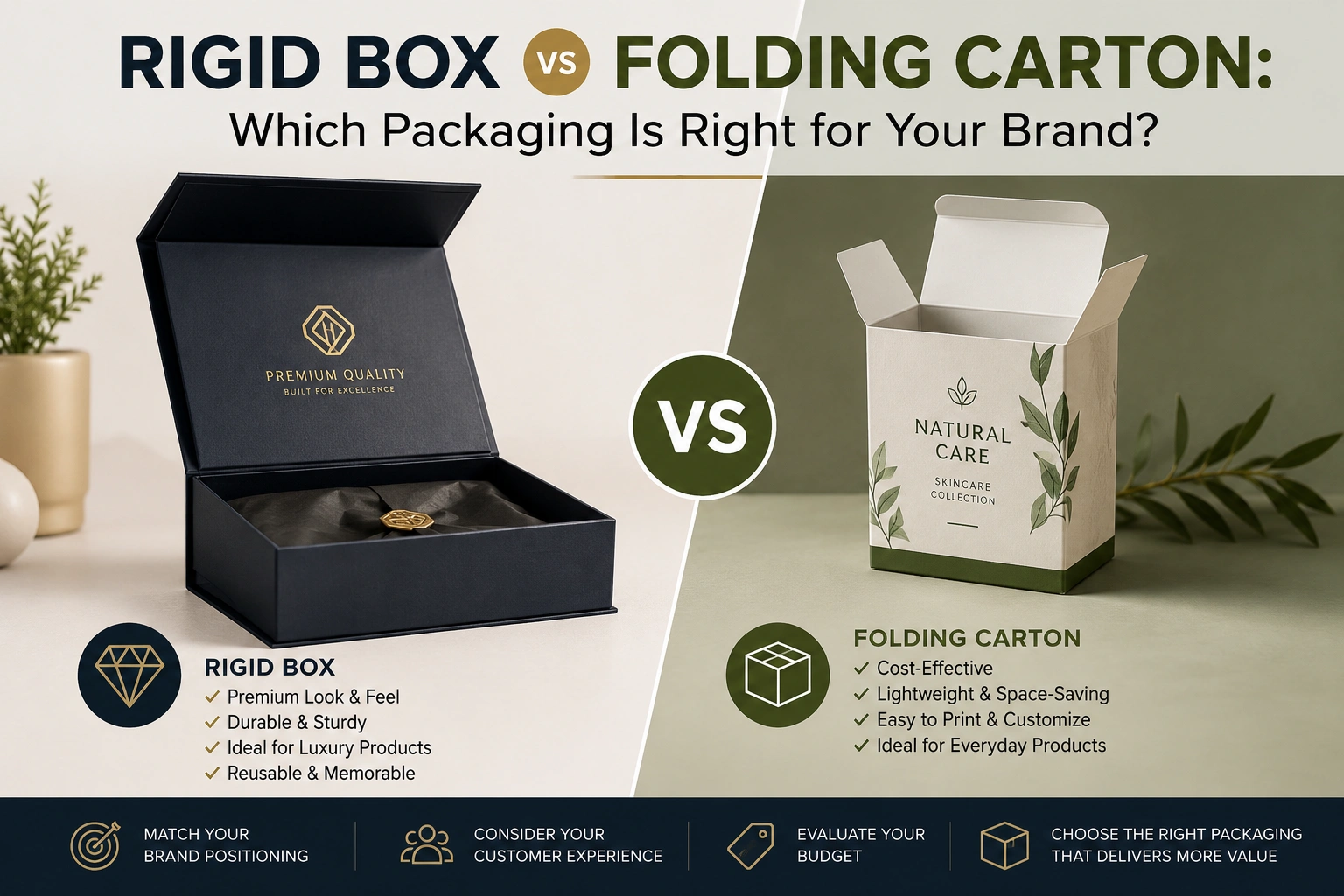
Choosing between a rigid box and a folding carton is one of the first decisions any brand makes when building custom packaging. Both are made from paperboard, both can be fully branded, and both show up across nearly every retail category but the similarities end there. The structure, cost, unboxing experience, and ideal use case for each are completely different.
At Rigid Packaging Pro, we get asked this question daily by brands trying to figure out where their product actually belongs. Here’s a complete breakdown of what is a rigid box to help you decide.
What Is a Rigid Box?
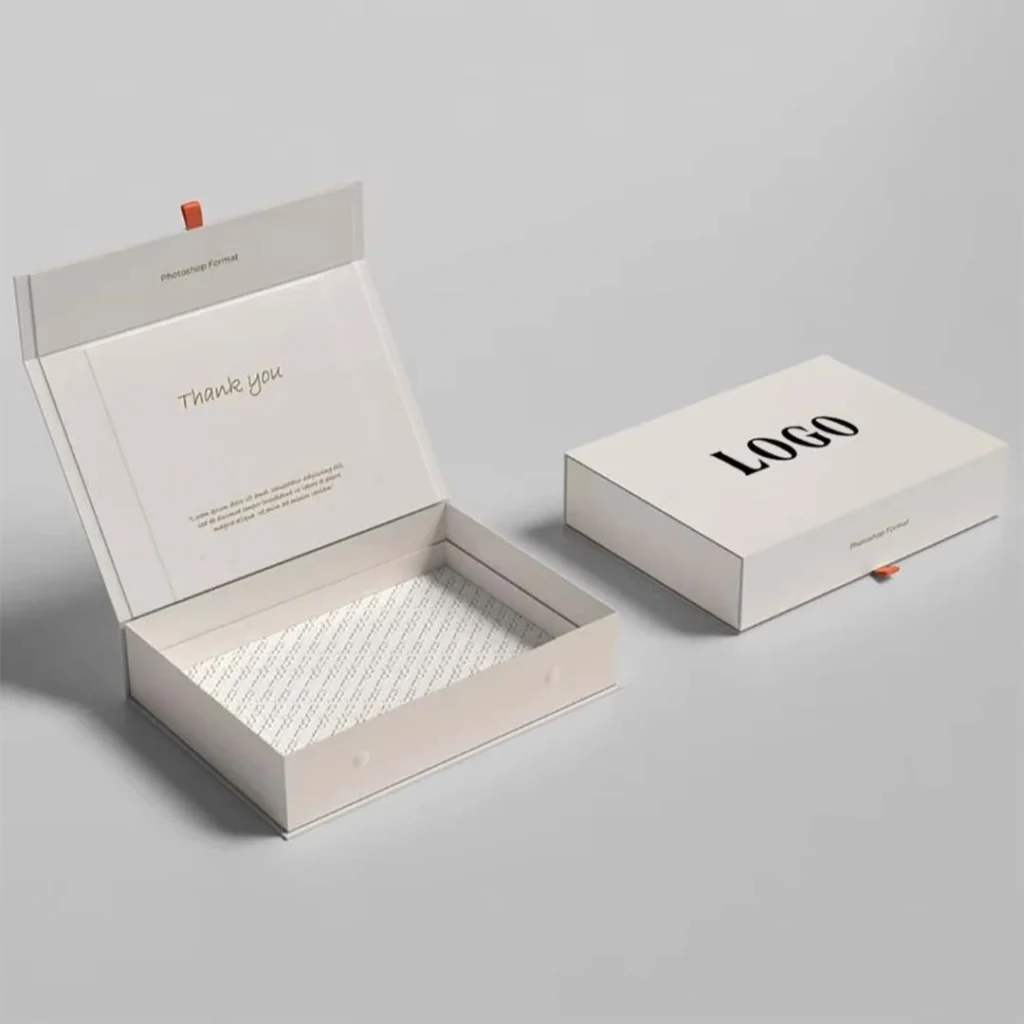
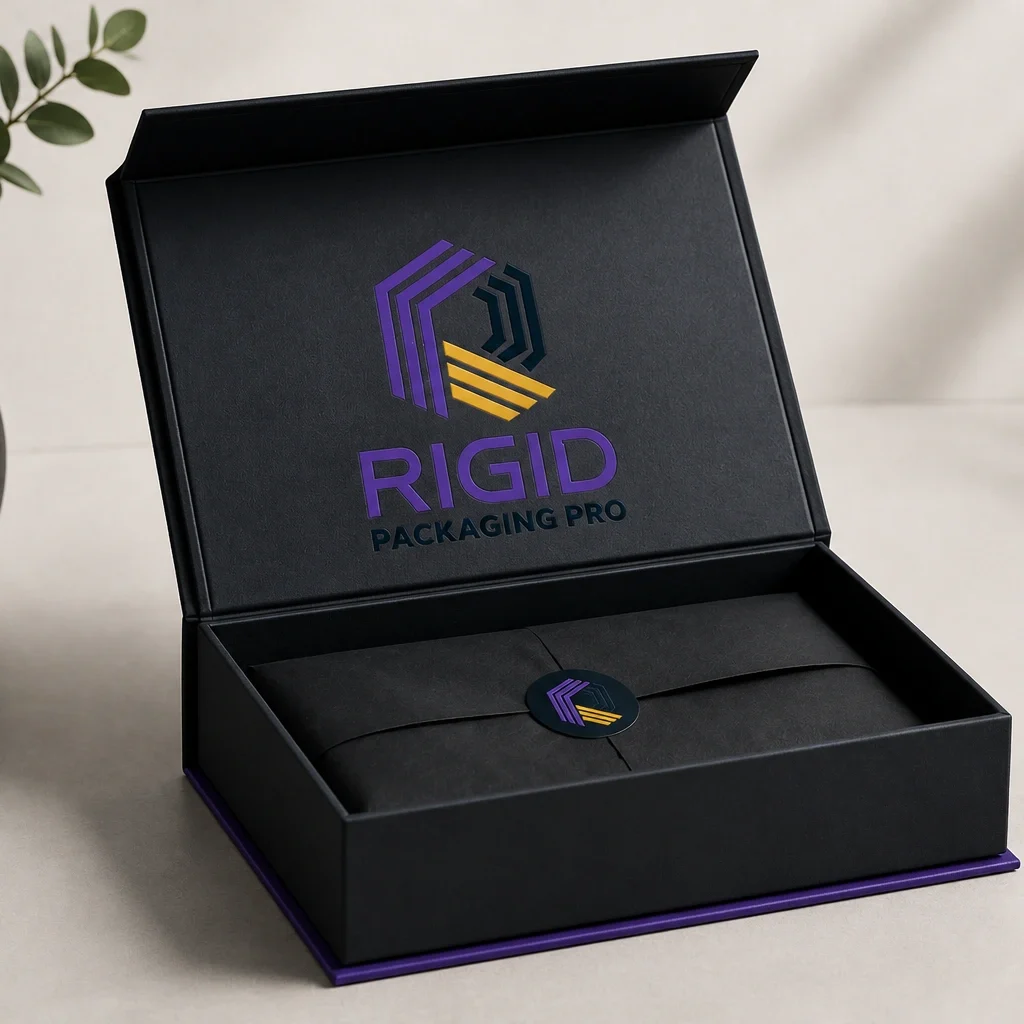
A rigid box is built from thick, dense paperboard (typically 1,500–2,500 GSM) that is wrapped in a decorative paper or specialty finish. Because the board doesn’t fold or crease, rigid boxes hold a fixed, permanent shape think of the box your last phone or a luxury candle arrived in.
Key characteristics of rigid boxes:
- Non-collapsible, sturdy structure
- Premium look and feel (soft-touch, matte, gloss, foil, embossing)
- Higher unboxing value and shelf presence
- Better protection for fragile or high-value items
- Reusable by customers, which extends brand exposure
What Is a Folding Carton?
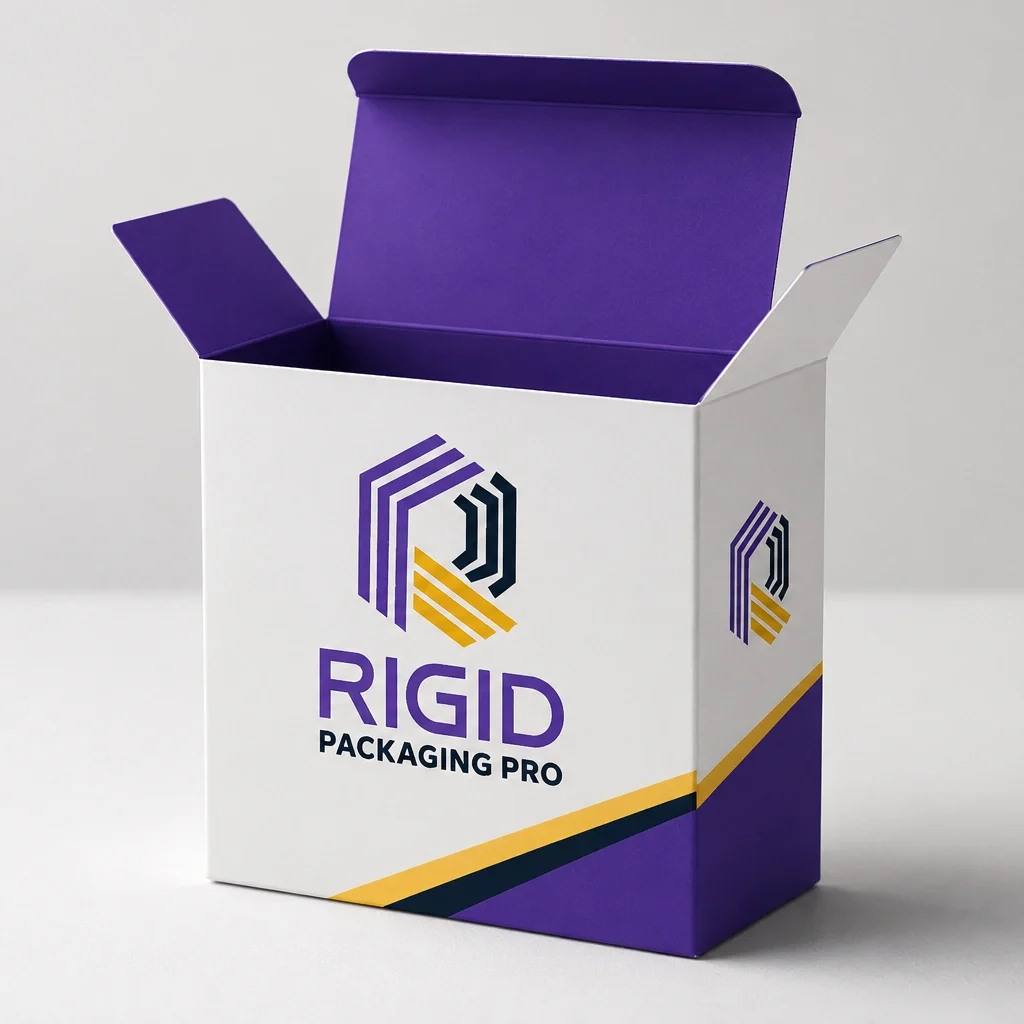
A folding carton is made from thinner paperboard (usually 200–600 GSM) that is die-cut and scored so it can be folded flat for shipping and storage, then assembled into shape at the point of packing. Cereal boxes, cosmetic cartons, and pharmaceutical boxes are classic folding carton examples.
Key characteristics of folding cartons:
- Lightweight and collapsible
- Cost-efficient to produce and ship flat
- Fast turnaround for high-volume runs
- Easily printed with full-color graphics and barcodes
- Ideal for retail shelf and mass-market products
Rigid Boxes vs Folding Cartons: Side-by-Side Comparison
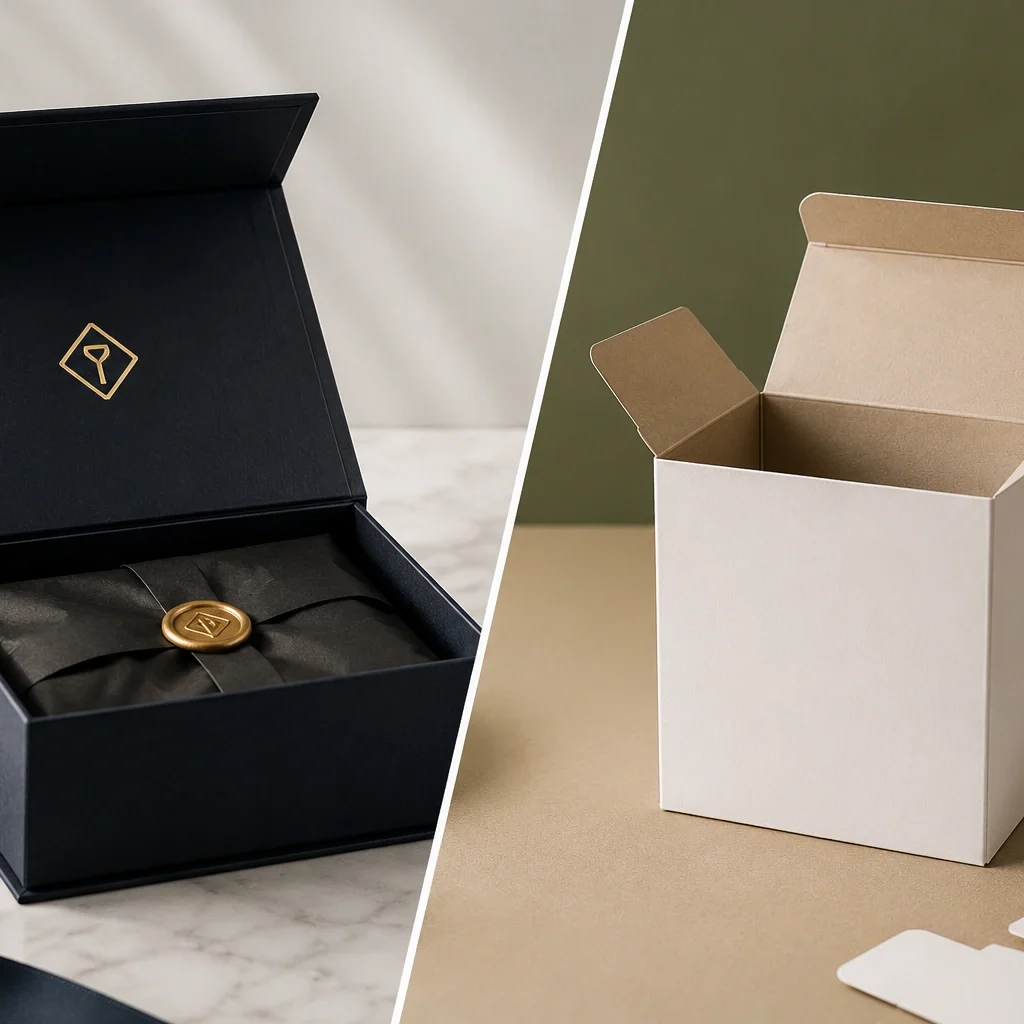
| Feature | Rigid Boxes | Folding Cartons |
|---|---|---|
| Board Thickness | Thick (1,500–2,500 GSM) | Thin (200–600 GSM) |
| Shape | Fixed, non-collapsible | Collapsible, flat-shipped |
| Perceived Value | Premium, luxury | Standard, functional |
| Production Cost | Higher | Lower |
| Best For | Jewelry, electronics, cosmetics, gift sets | Retail, food, pharma, mass-market goods |
| Shipping Efficiency | Lower (bulkier) | Higher (ships flat) |
| Reusability | High | Low |
| Customization Options | Foil stamping, embossing, magnetic closures, ribbon | Offset/digital print, die-cut windows, coatings |
Cost Comparison: Why Rigid Boxes Cost More
The price gap between the two comes down to material and labor. Rigid boxes require a wrapping process where decorative paper is glued around a thick board core by hand or specialized machinery, which adds time and material cost. Folding cartons are printed and die-cut in a single continuous run, making them far more efficient at scale.
For brands watching per-unit cost on high-volume orders, folding cartons usually win. For brands where the box itself is part of the product experience, the extra cost of rigid packaging pays for itself in perceived value and retention.
Unboxing Experience: Where Rigid Packaging Wins
Unboxing has become a genuine part of brand marketing, especially for DTC and luxury brands. A rigid box with a magnetic closure, ribbon pull, or two-piece lid-and-base design creates a moment something a folding carton, by design, can’t replicate. This is why jewelry, watches, cosmetics, and premium gift brands almost always choose rigid over folding.
Sustainability Considerations
Both formats can be produced sustainably, but the calculus differs:
- Folding cartons generally use less material per unit and ship flatter, which lowers transportation emissions.
- Rigid boxes use more material but are more likely to be reused or repurposed by the end customer, extending their functional life beyond a single use.
Neither format is inherently “greener” it depends on your supply chain, order volume, and how customers treat the box after opening it.
Which One Should You Choose?
Choose rigid boxes if:
- Your product sits in the premium or luxury category
- Unboxing experience is part of your brand strategy
- You’re shipping fragile or high-value items
- You want the box to double as a keepsake
Choose folding cartons if:
- You need high-volume production at low cost
- Your product is retail shelf-facing
- Flat-pack shipping efficiency matters
- Fast turnaround is a priority
Frequently Asked Questions
Are rigid boxes more expensive than folding cartons?
Yes. Rigid boxes typically cost more per unit due to thicker board and the wrapping process involved in production, while folding cartons are cheaper to produce at scale.
Can folding cartons look as premium as rigid boxes?
With finishes like soft-touch lamination, foil stamping, and spot UV, folding cartons can look elevated, but they still won’t match the weight and permanence of a rigid box.
Which packaging type is better for shipping?
Folding cartons ship flat and take up less space, making them more cost-effective for freight and fulfillment compared to bulkier rigid boxes.
Do rigid boxes have a minimum order quantity?
It depends on the supplier. Rigid Packaging Pro offers custom rigid boxes with a 100-unit MOQ, no die or plate charges, and free design support.
Can I get free samples before placing a bulk order?
Most reputable rigid packaging suppliers, including Rigid Packaging Pro, offer prototype approval before full production so you can check quality, fit, and finish first.