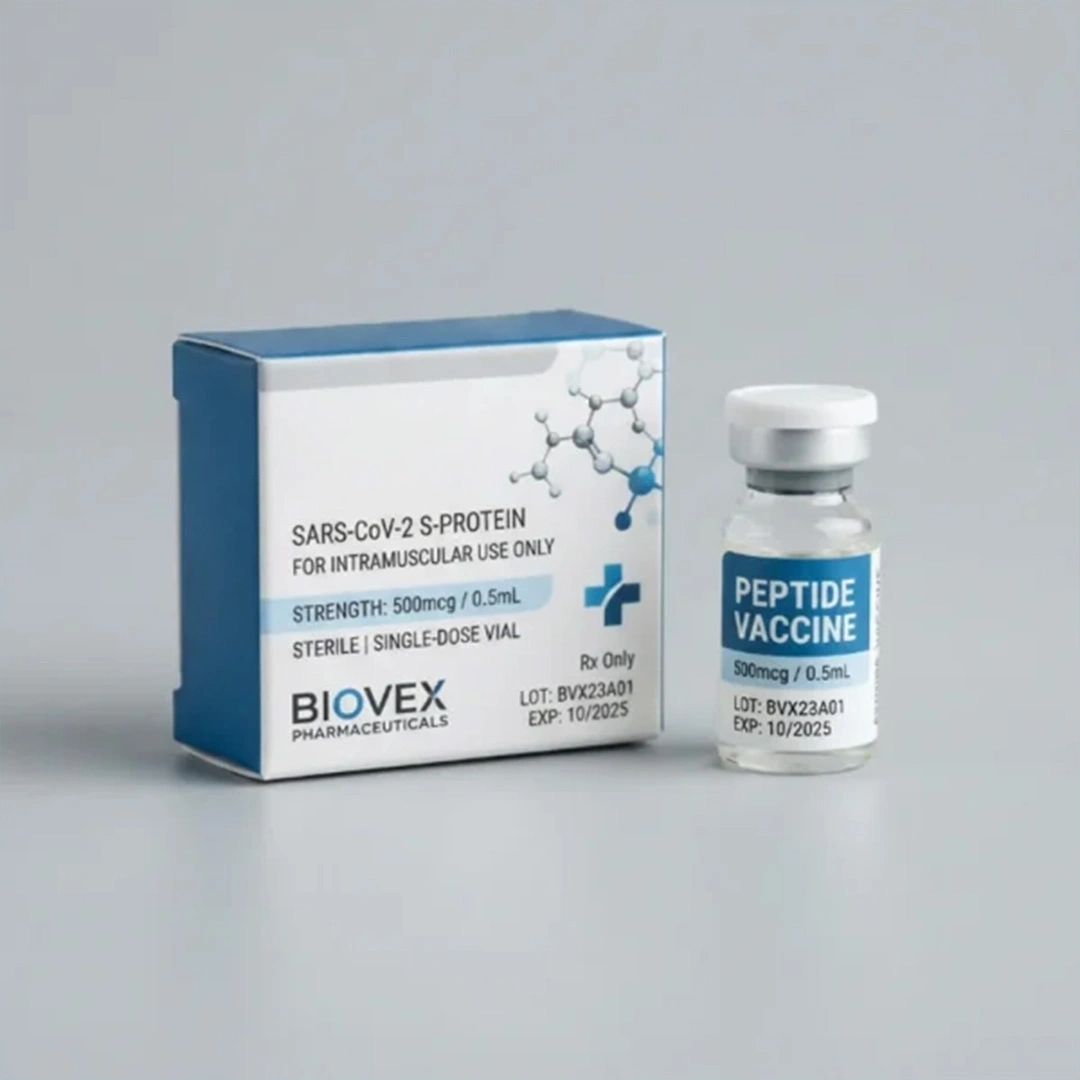
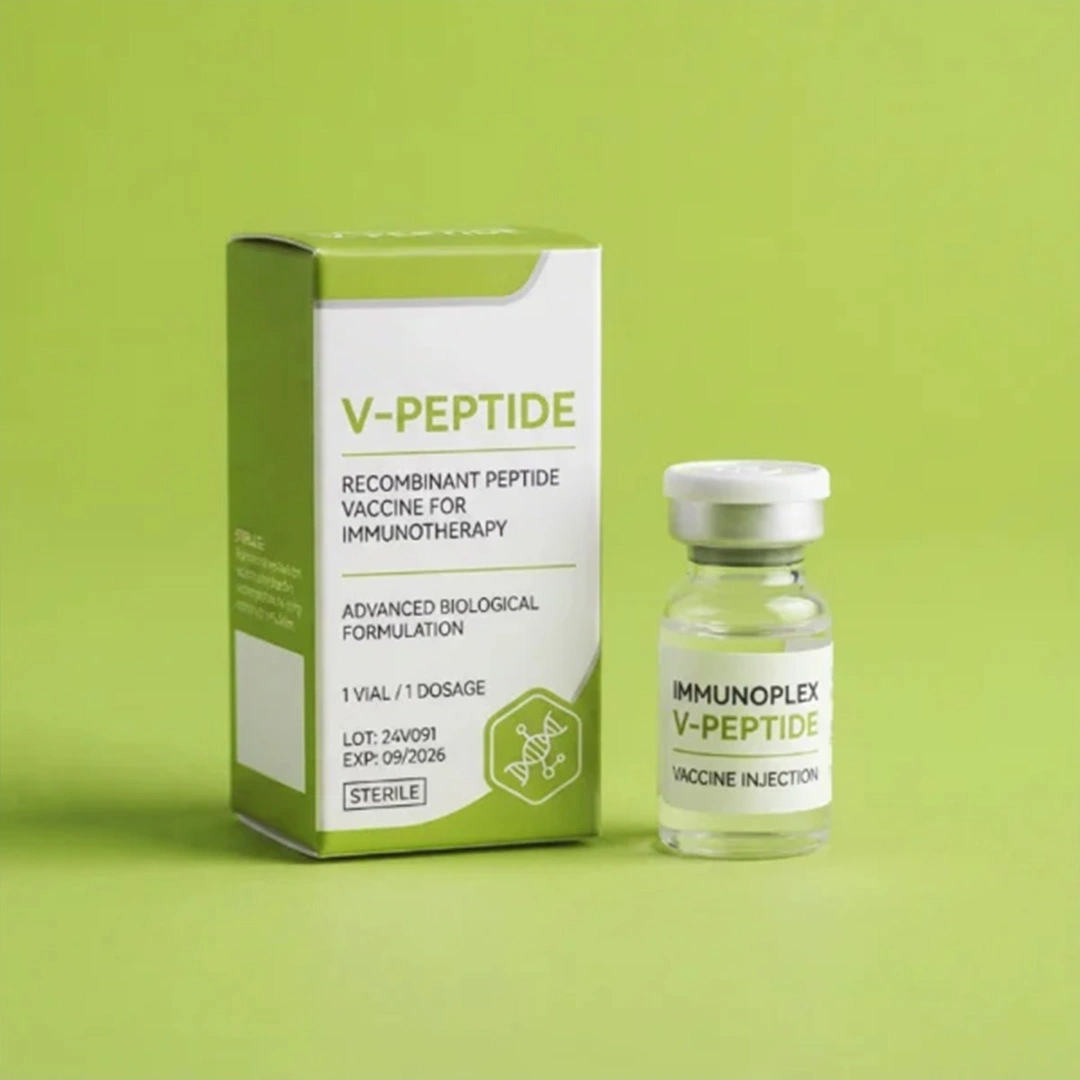
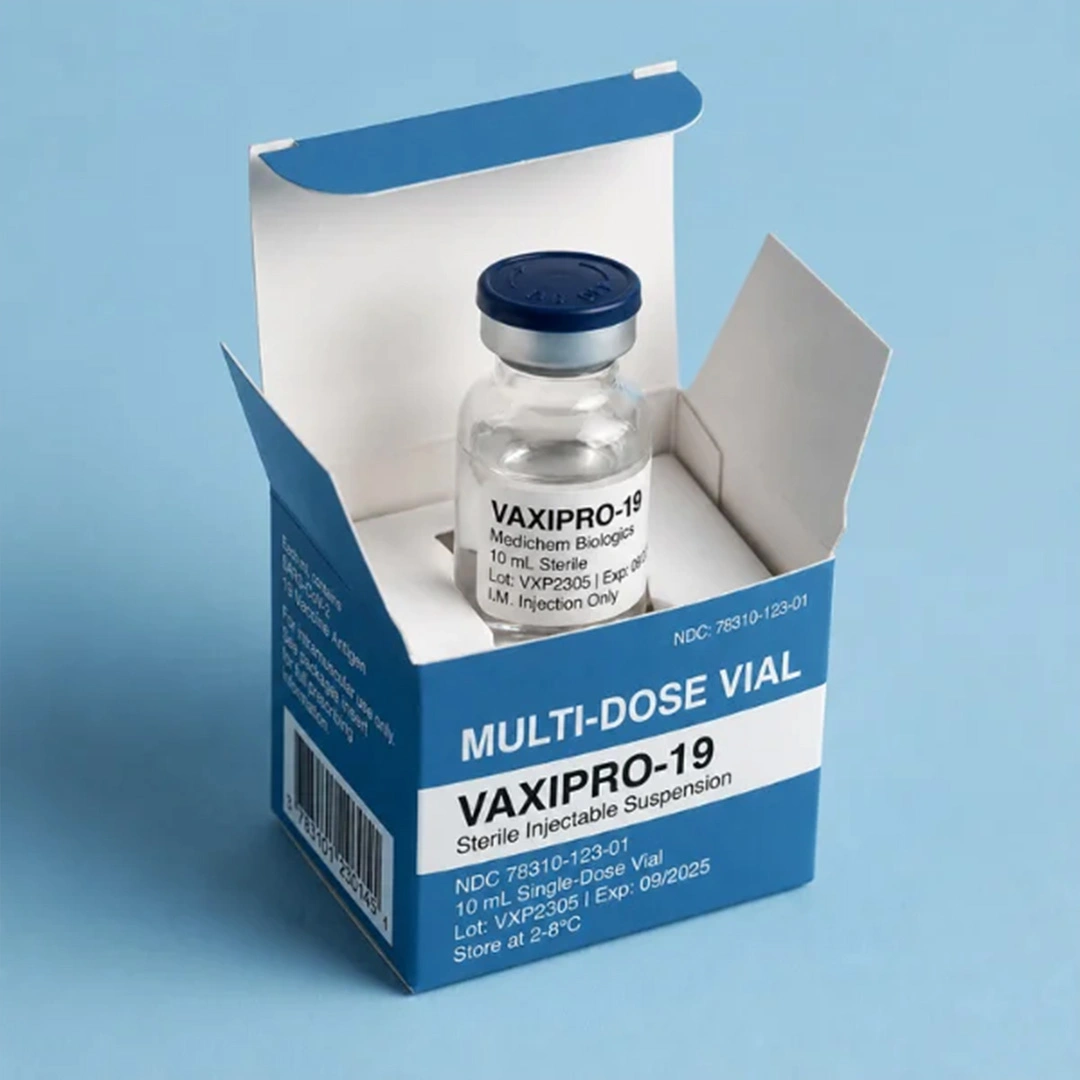
Peptide vials are small, fragile, and expensive relative to their size a combination that makes generic packaging a poor fit. A vial that shifts in transit can crack or chip; a vial that arrives in a plain mailer undercuts the premium positioning most peptide brands are working to build. The Vial Peptide Box addresses both problems in one product: structural protection engineered around the vial itself, inside a rigid box built for shelf and unboxing presentation.
How the Cavity Fit Works
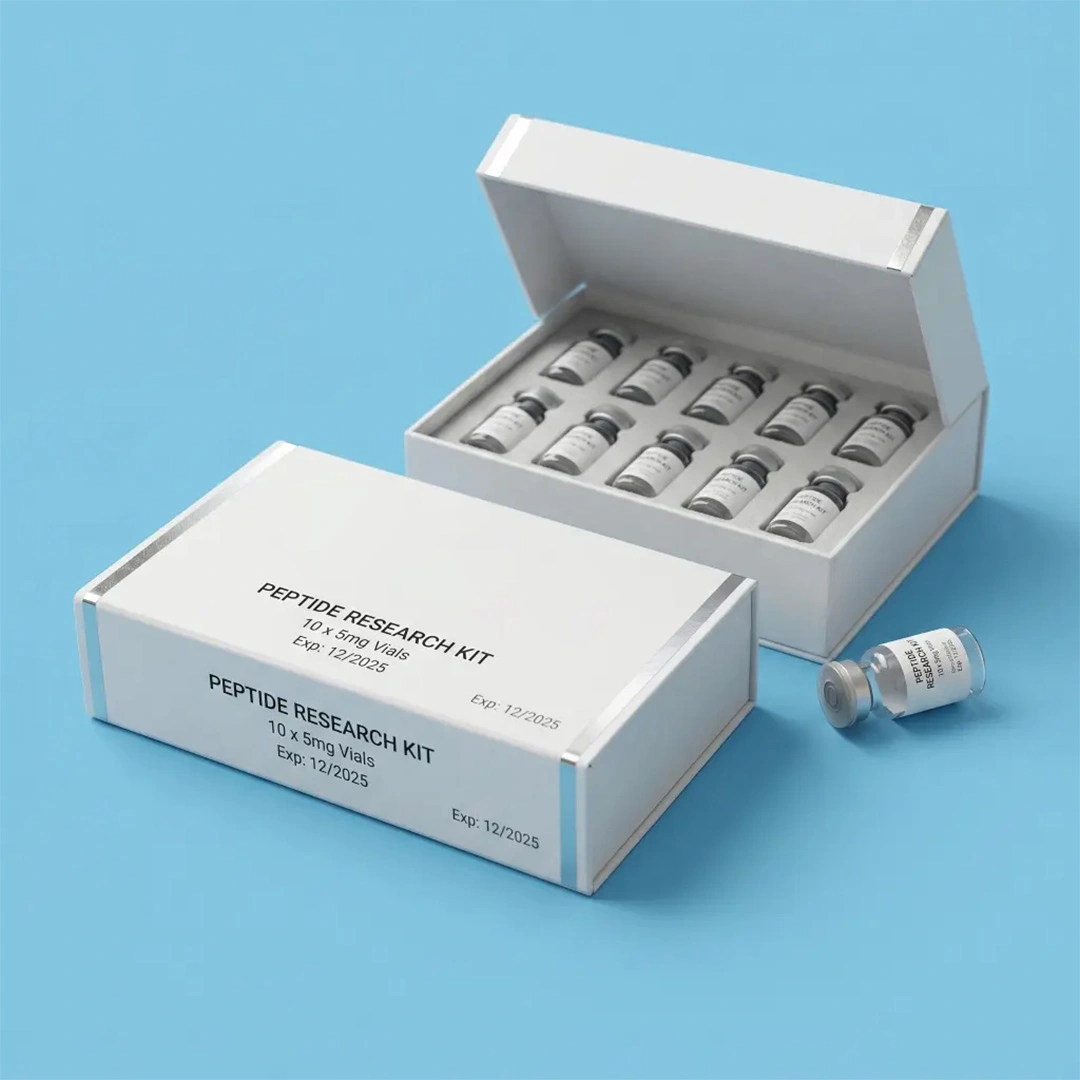
Rather than fitting your vial into a standard-sized opening, the cavity is cut to the dimensions you supply depth matched to vial height, diameter matched to vial body. The result is a vial held fixed in position, unable to roll, shift laterally, or make contact with the box wall during handling and shipping.
Configurations
| Configuration |
Cavity Count |
Typical Use |
| Single-vial |
1 |
Samples, individual doses, trial units |
| Duo |
2 |
Paired doses, two-part kits |
| Multi-vial tray |
4–10 |
Batch shipments, subscription or cycle packs |
| Custom |
Any count |
Non-standard batch sizes or vial dimensions |
Insert Material Options
- Die-cut foam densest cushioning, standard choice for shock and vibration protection
- Molded pulp fiber-based, recyclable and biodegradable, for sustainability-focused brands
- Corrugated die-cut cost-effective dividers, practical for higher-volume multi-vial runs
Branding, Labeling & Security
The outer box carries full branding: CMYK printing, foil stamping, embossing, or minimalist single-color logo work, with matte, soft-touch, or gloss lamination. Layout accommodates the labeling peptide products typically require batch numbers, dosage information, storage instructions, and regulatory warnings. Tamper-evident options include security tape and breakaway seals, alongside magnetic or friction-fit lid closures.
Specifications
Structure
| Spec |
Detail |
| Outer box material |
Premium rigid chipboard |
| Cavity count |
1–10, or custom |
| Vial sizes supported |
2ml–10ml standard, custom dimensions available |
| Insert options |
Die-cut foam, molded pulp, corrugated die-cut |
| Closures |
Magnetic lid, friction-fit lid, tamper-evident seal |
Print & Finish
| Spec |
Detail |
| Printing |
Full-color CMYK, foil stamping, embossing, single-color |
| Lamination |
Matte, soft-touch, or gloss |
| Labeling space |
Batch number, dosage, storage, compliance warnings |
Ordering
| Spec |
Detail |
| Minimum order quantity |
100 units |
| Tooling fees |
None — no die or plate charges |
| Prototype |
Free, before full production |
| Shipping |
Free within the US |
What makes a vial peptide box different from a standard rigid box?
The cavity insert. A standard rigid box holds a product loosely, while a vial peptide box has a cavity cut to your exact vial dimensions so the vial stays fixed in place through handling and shipping.
Can one box hold more than one vial?
Yes. Configurations range from single-vial up to 10-cavity multi-vial trays, with custom cavity counts available for non-standard batch sizes.
Which insert material should I choose?
Die-cut foam gives the most cushioning and is the common default; molded pulp is the recyclable, biodegradable option; corrugated die-cut is the most cost-effective at higher volumes.
Is there space for batch numbers and compliance labeling?
Yes. Box layout can include dedicated space for batch numbers, dosage information, storage instructions, and any regulatory warnings your product requires.
What’s the minimum order?
100 units, with no die or plate charges, regardless of cavity count, insert material, or finishing choices.


Reviews
There are no reviews yet.